
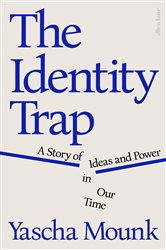
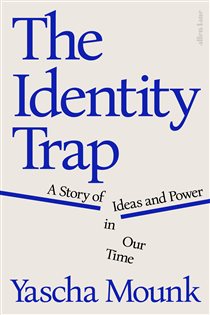
This title will be released on .
This eBook is no longer available for sale.
This eBook is not available in your country.
Book Description
‘A fascinating account of the intellectual origins of identity politics' Financial Times, Books of the Year
The origins, consequences and limitations of an ideology that has quickly become highly influential around the world.
For much of their history, societies have violently oppressed ethnic, religious and sexual minorities. It is no surprise then that many who passionately believe in social justice have come to believe that members of marginalized groups need to take pride in their identity if they are to resist injustice.
But over the past decades, a healthy appreciation for the culture and heritage of minorities has transformed into an obsession with group identity in all its forms. A new ideology - which Yascha Mounk terms the 'identity synthesis' - seeks to put each citizen's matrix of identities at the heart of social, cultural and political life. This, he argues, is The Identity Trap.
Mounk traces the intellectual origin of these ideas. He tells the story of how they were able to win tremendous power over the past decade. And he makes a nuanced case why their application to areas from education to public policy is proving to be deeply counterproductive. In his passionate plea for universalism and humanism, he argues that the proponents of identitarian ideas will, though they may be full of good intentions, make it harder to achieve progress towards genuine equality.
In The Press
About the Author
Read on Your Favourite Devices
to find out more
